Energiespartipps
Einfache Stromspartipps, die Ihre Stromkosten sofort reduzieren
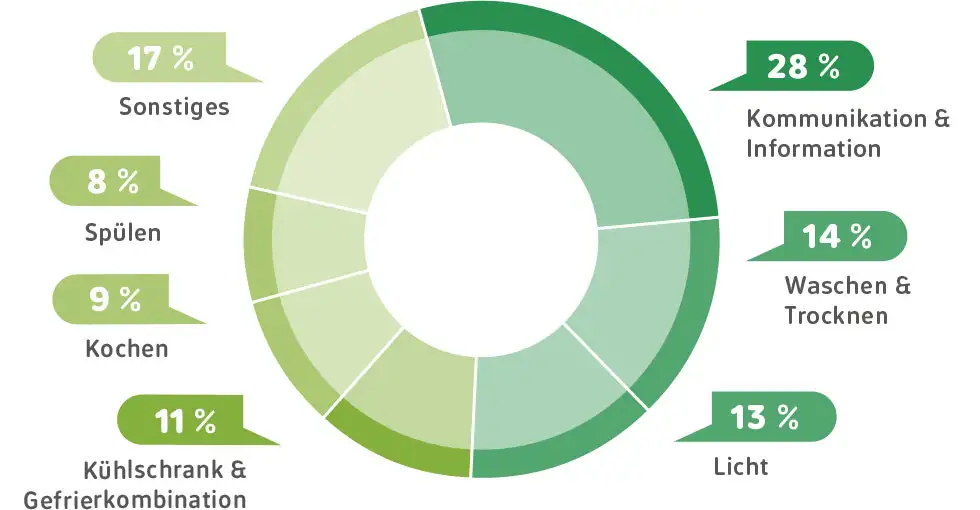
Stromfresser sind – in Anbetracht steigender Energiekosten – nicht mehr zeitgemäß. Indem Sie Haushaltsgeräte mit hohem Verbrauch identifizieren, können Sie einen erheblichen Teil Ihrer Stromkosten sparen und zugleich nachhaltiger handeln. Der Energieverbrauch in privaten Haushalten schlüsselt sich wie folgt auf:
Sie möchten Ihre Stromrechnung reduzieren? Dann stehen Ihnen zahlreiche Maßnahmen zur Verfügung, um Strom zu sparen und Ihre Energiekosten effektiv zu senken. Vom Austausch energiefressender Haushaltsgeräte, über einen ressourcenschonenden Umgang mit Strom, bis zum Wechsel Ihres Stromtarifs oder Anbieters: Entdecken Sie wirkungsvolle Hebel zum Stromsparen.
Leicht umsetzbare Tipps die sofort Stromkosten sparen
Selbst Kühlschränke und Truhen älterer Bauart gestatten es, die Temperatur zu regulieren. Experten empfehlen 7 °C für einen Kühlschrank, -18 °C für einen Gefrierschrank. Eine Erhöhung der Temperatur um ein Grad Celsius steigert den Strombedarf des Geräts um ganze 6 %.
Energiesparen gelingt leichter, indem Sie Ihre Gefriertruhe in regelmäßigen Abständen abtauen. Dicke Eisschichten an den Wänden der Kühltruhe steigern den Stromverbrauch um rund 15 %.
Tauen Sie gefrorene Lebensmittel vorzugsweise im Kühlschrank auf. Heiße Speisen sollten hingegen abkühlen, bevor sie im Kühlschrank aufbewahrt werden. So können Sie die Stromrechnung reduzieren, indem Sie einen erhöhten Energiebedarf durch Temperaturschwankungen vermeiden.
Waschmaschine, Spülmaschine und Trockner verfügen über spezielle Ökoprogramme. Diese können Stromkosten sparen, da die Reinigung zwar länger dauert, jedoch bei geringeren Temperaturen erfolgt.
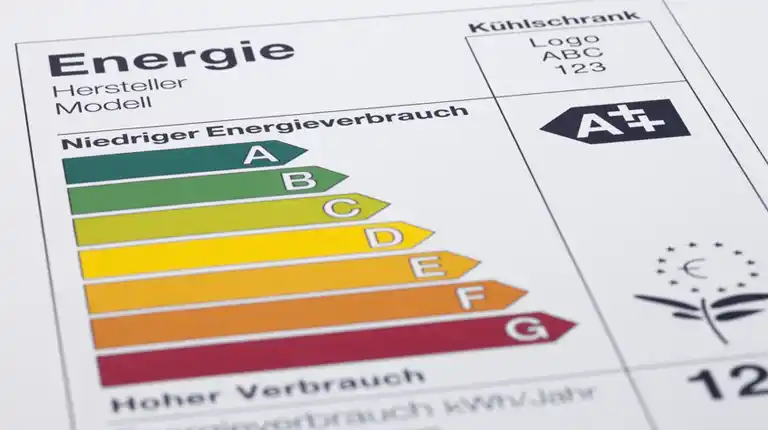
Beim Kauf neuer elektronischer Haushaltsgeräte sollte die Energieeffizienzklasse ein wichtiges Kriterium sein. Indem Sie sich mindestens für ein Gerät der Klasse B, besser noch A oder A+ entscheiden, können Sie Ihren Stromverbrauch gezielt senken.
Eines der größten Hindernisse beim Stromsparen ist der häufig genutzte Stand-by-Modus von Fernseher & Co. Nutzen Sie daher smarte Steckdosen oder Mehrfachsteckdosen, welche sich dank Kippschalter einfach ausschalten lassen.
Entscheiden Sie sich bei der heimischen Beleuchtung für Energiespar- oder LED-Lampen. Erstere verbrauchen etwa 70 % weniger, Letztere gar 80 % weniger Strom.
In der Küche können Sie den energetischen Aufwand reduzieren, indem Sie benötigtes Wasser zunächst im Wasserkocher erhitzen. Er verbraucht weniger Strom als die Herdplatte. Lediglich bei einem Volumen ab 1,5 L ist das Erhitzen mit einem Induktionsherd energiesparender.
Oftmals können Sie auf das Vorheizen des Backofens verzichten. Auch lässt sich die Resthitze des Ofens nutzen, um Speisen fertig zu garen, wenn Sie das Gerät einige Minuten früher ausschalten.
Prüfen Sie Ihre elektronischen Geräte mit einem Messgerät, um deren tatsächlichen Energieverbrauch festzustellen. Eigentümern von Wohnraum steht zudem die Energieberatung „Gebäudecheck“ der Verbraucherzentrale ihres Wohnorts zur Verfügung.
Weitere Sofort-Tipps für das Stromsparen im Badezimmer
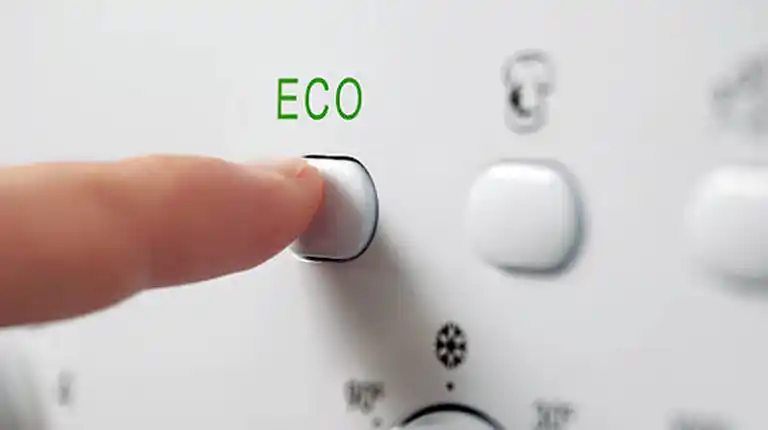
Im Badezimmer können Sie durch einfache Stromspartipps von einem geringeren Energieverbrauch profitieren
Widerstehen Sie der Versuchung, Zahnbürste und Rasierapparat an der Steckdose zu lassen. So vermeiden Sie Kriechstrom und schonen zudem den Akku Ihrer Geräte.
Nutzen Sie den Föhn auf niedrigster Temperatur. Das schont nicht nur die Haare, sondern auch Ihren Geldbeutel und die Umwelt.
Erfolgt Ihre Warmwasseraufbereitung durch Strom, hilft ein Sparduschkopf beim Energiesparen. Er „streckt“ den Wasserstrahl mit Luft und reduziert den Verbrauch um rund 40 %.
Verzichten Sie zugunsten des Wäscheständers auf die Nutzung Ihres Trockners. Ist dies nicht möglich, lassen Sie das Gerät so kurz wie möglich in Betrieb, um Strom zu sparen
Weitere Stromspartipps für die Küche
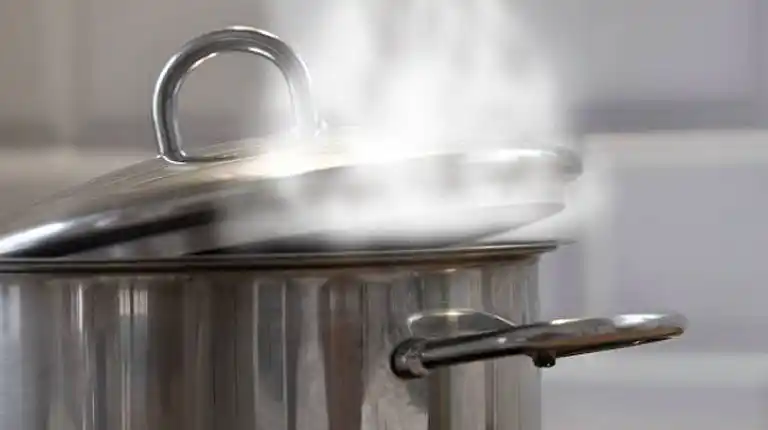
In der Küche können Ihnen folgende Energiespartipps helfen:
Verwenden Sie beim Kochen einen Topfdeckel, sparen Sie drei Viertel des Energieverbrauchs.
Nutzen Sie Ihren Ofen auf Umluft, statt auf Ober-Unterhitze. Dies spart rund 40 % Strom. Brötchen mit dem Toaster aufzubacken, spart sogar über 70 %.
Beim Erwärmen von Speisen benötigt die Mikrowelle weniger Energie als der Herd.
Geschirrspüler sind tatsächlich effizienter als das Spülen von Hand. Achten Sie dabei auf die vollständige Beladung des Geräts und die Nutzung des Eco-Programms. Durch eine monatliche Reinigung mit Salz entfernen Sie Fett und reduzieren so die Energiekosten.
Der Kühlschrank sollte nicht in der Nähe von Wärmequellen stehen oder direkter Sonneneinstrahlung ausgesetzt sein. Auch Staub an der Rückseite in der Nähe des Wärmetauschers sollte regelmäßig entfernt werden.
Energie sparen in der ganzen Wohnung
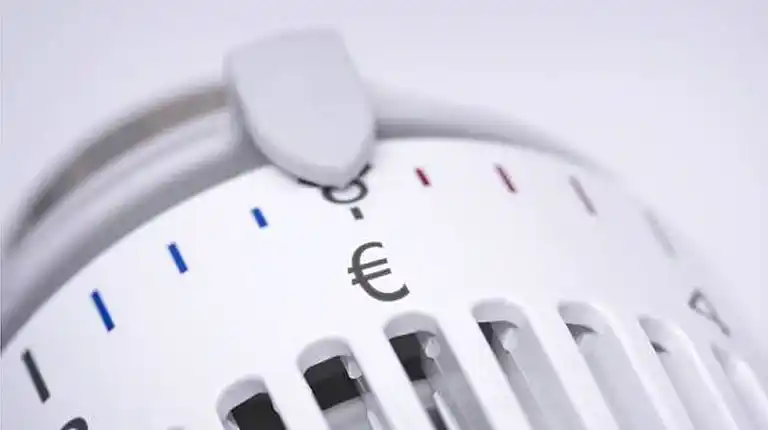
Stromkosten sparen Sie im Wohnzimmer, Schlafzimmer und Kinderzimmern wie folgt:
Durch den Verzicht auf den Stand-by-Modus von Unterhaltungselektronik lassen sich jährlich dreistellige Beträge einsparen. Smarte Steckdosen können Sie zentral deaktivieren, wenn Sie das Haus verlassen.
Umfangreiche Ausstattung und große Bildschirmdiagonale Ihres Fernsehers gehen mit einem höheren Stromverbrauch einher. Wahre Energiefresser sind alte Röhrenfernseher, besonders sparsam hingegen LED-Geräte.
Nicht nur durch die Reduzierung Ihres Stromverbrauchs, sondern auch durch bewusstes Heizverhalten können Sie Ihre Energiekosten nachhaltig senken.
Fazit
Bereits mit einfachen Mitteln können Sie Ihre Stromrechnung drastisch verringern. Nicht nur die Anschaffung energieeffizienter Haushaltsgeräte, sondern auch der bewusste Umgang mit Strom und Energie im Allgemeinen können Ihr Budget deutlich entlasten; etwa regelmäßiges Abtauen des Eisschranks oder ein Sparduschkopf, um weniger Strom für die Warmwasserversorgung aufzuwenden.